By Shizza Umer
A US-funded medical trial planned for 14,000 newborns in Guinea-Bissau has forced an uncomfortable question into the open: would a study like this ever have been proposed for babies in Europe or the United States? Funded by Washington and designed by Danish researchers, it would have given half of the babies a hepatitis B vaccine at birth and left the other half to wait six weeks, in a country where about one in five people carry the virus.
The World Health Organization called the plan unethical. The researchers defended it. Guinea-Bissau refused to authorise it. No newborns were enrolled, and the trial never began.
What Was the Guinea-Bissau Hepatitis B Trial?
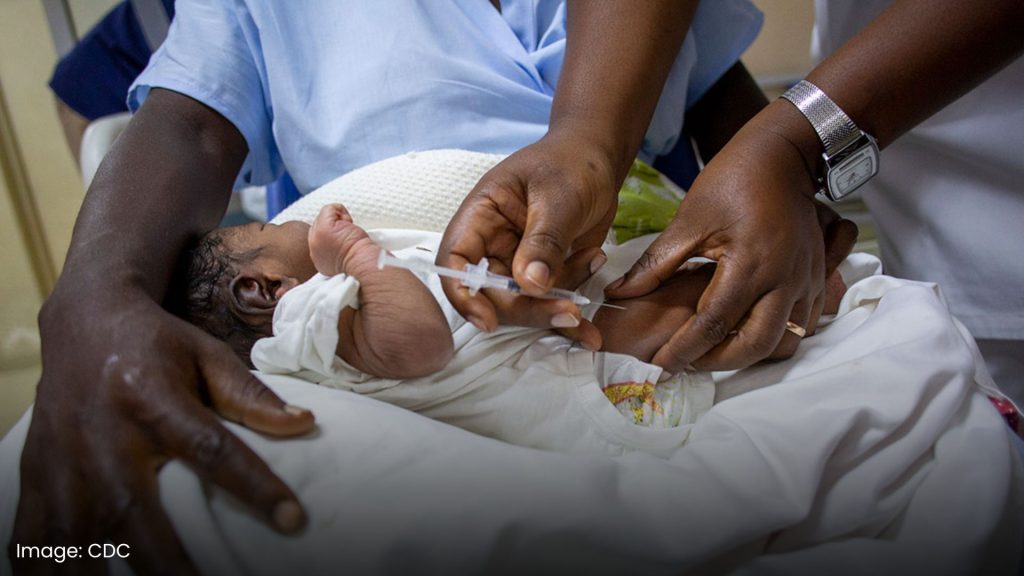
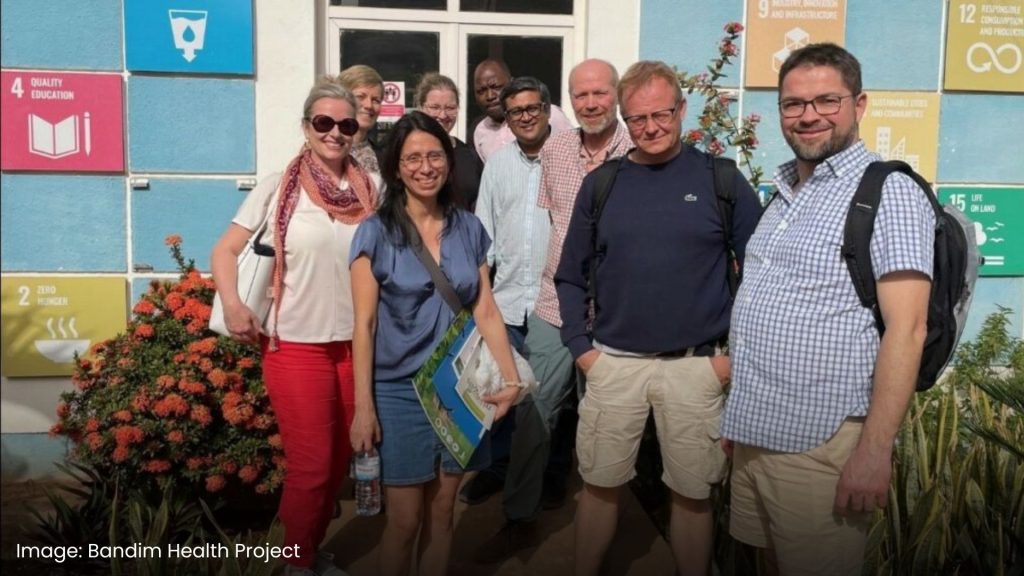
The proposed randomised study was led by the Bandim Health Project, a research group linked to the University of Southern Denmark that has worked in Bissau since 1978. About 14,000 newborns would have been split into two groups. Half would receive a hepatitis B dose at birth; the other half would begin vaccination at six weeks, consistent with Guinea-Bissau’s existing national schedule, according to Al Jazeera.
The researchers planned to follow the babies for five years, tracking deaths, hospitalisations, eczema and child development. STAT reported that the protocols would not have measured hepatitis B infection rates, and that the trial had not been registered on clinicaltrials.gov.
Why the Hepatitis B Birth Dose Matters
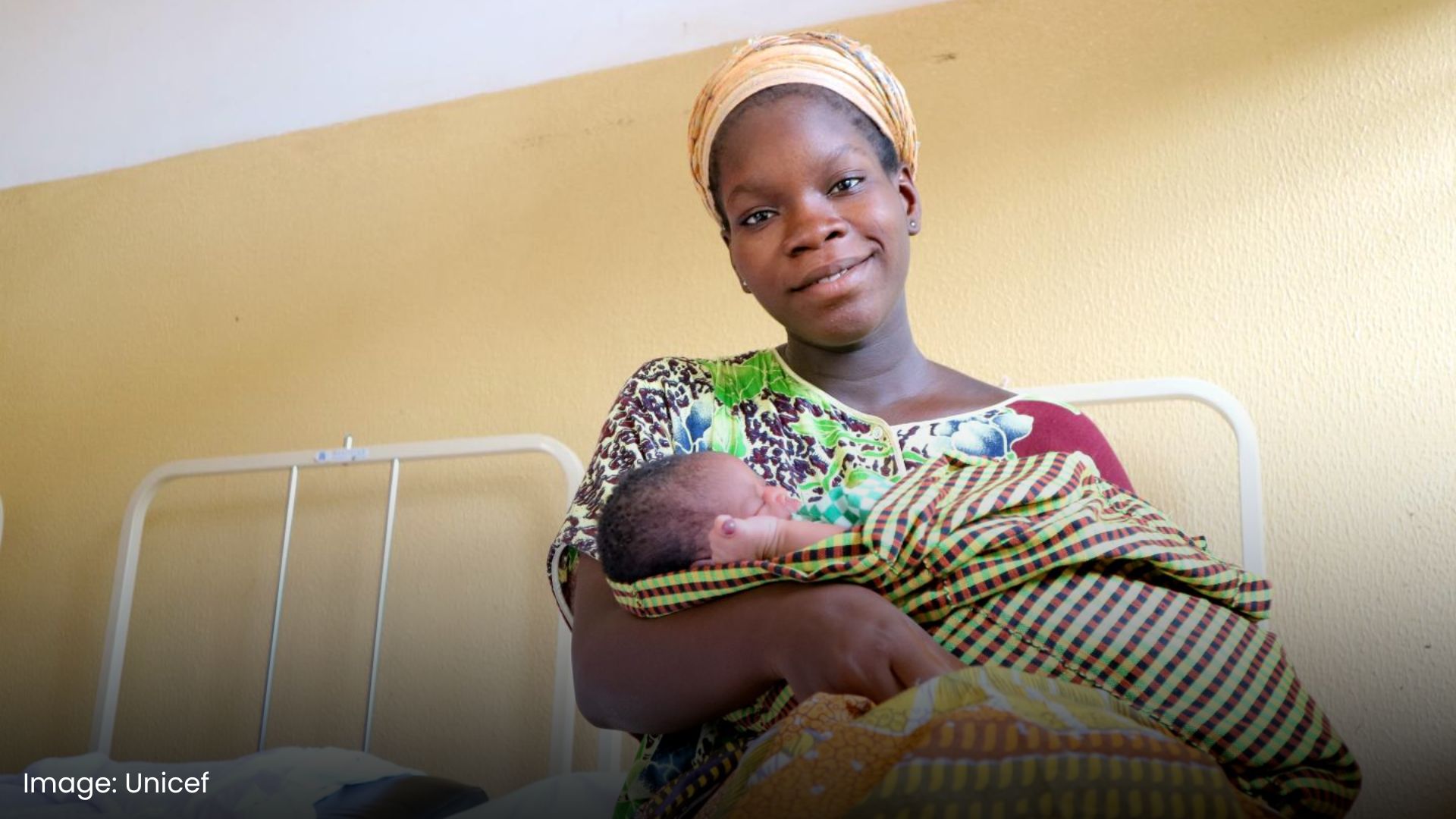
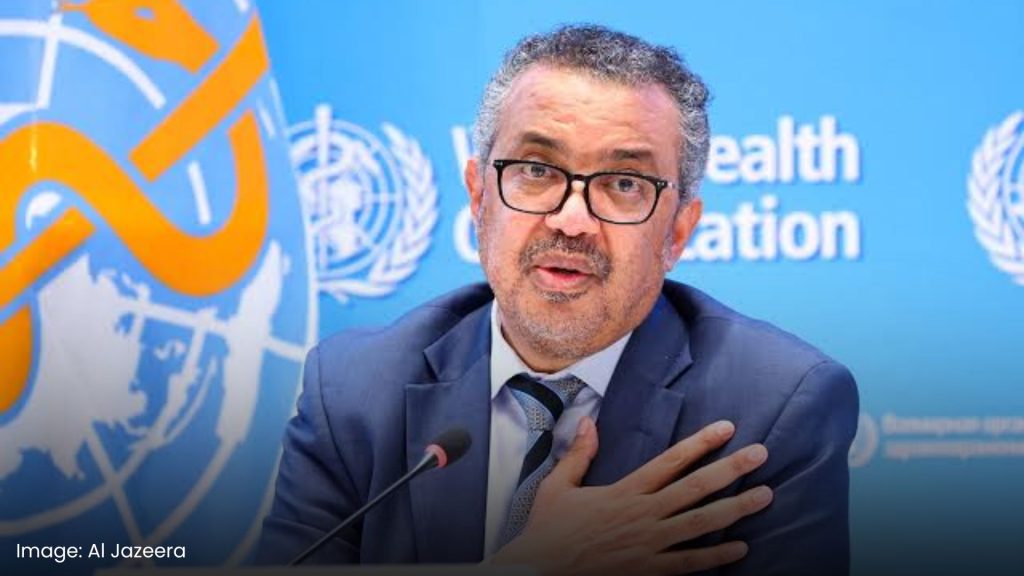
The WHO recommends hepatitis B vaccination within 24 hours of birth. The birth dose helps prevent mother-to-child transmission, which can result in lifelong infection and increase the risk of cirrhosis and liver cancer. In Guinea-Bissau, nearly one in five adults carry hepatitis B, WHO chief Tedros Adhanom Ghebreyesus noted. The country currently vaccinates from six weeks and plans to introduce the birth dose for every newborn by 2028, the BBC reported.
Who Paid for the Trial?
In December 2025, the US Centers for Disease Control and Prevention awarded the University of Southern Denmark an unsolicited, non-competitive $1.6 million grant. BioXconomy reported additional funding from the Pershing Square Foundation and the Bluebell Foundation.
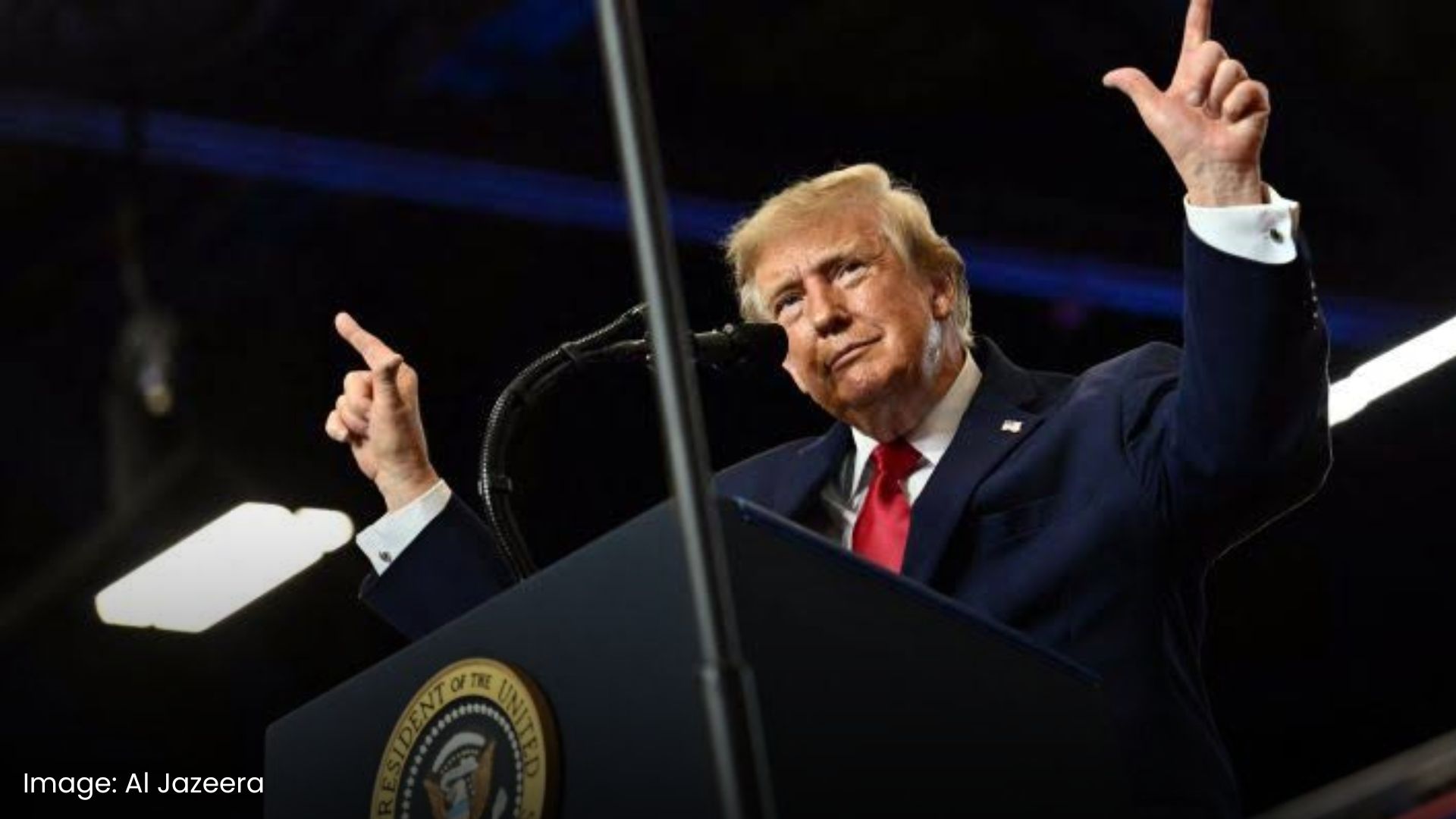
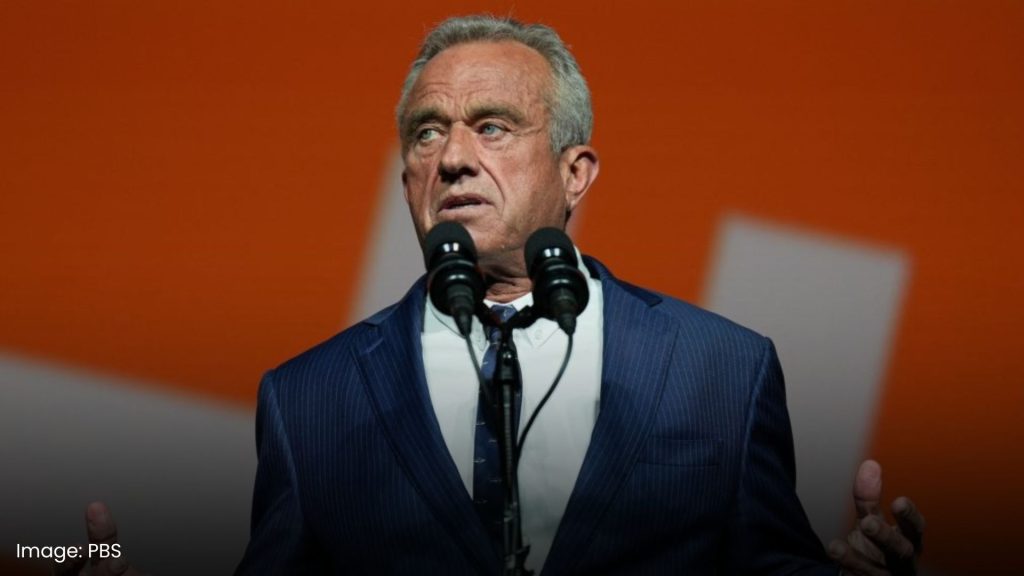
The researchers, Christine Stabell Benn and Peter Aaby, had been championed by US Health Secretary Robert F. Kennedy Jr., who called them “the deities of vaccine research”, according to the BBC. In June 2025, Kennedy used a single study by the Bandim group to justify cancelling more than $1 billion in US funding for Gavi, the global vaccine alliance, CIDRAP reported. That same month he had fired the entire US vaccine advisory committee; its replacement later voted to drop the long-standing universal hepatitis B birth dose for American babies, a move the BBC reports a federal judge has since blocked.
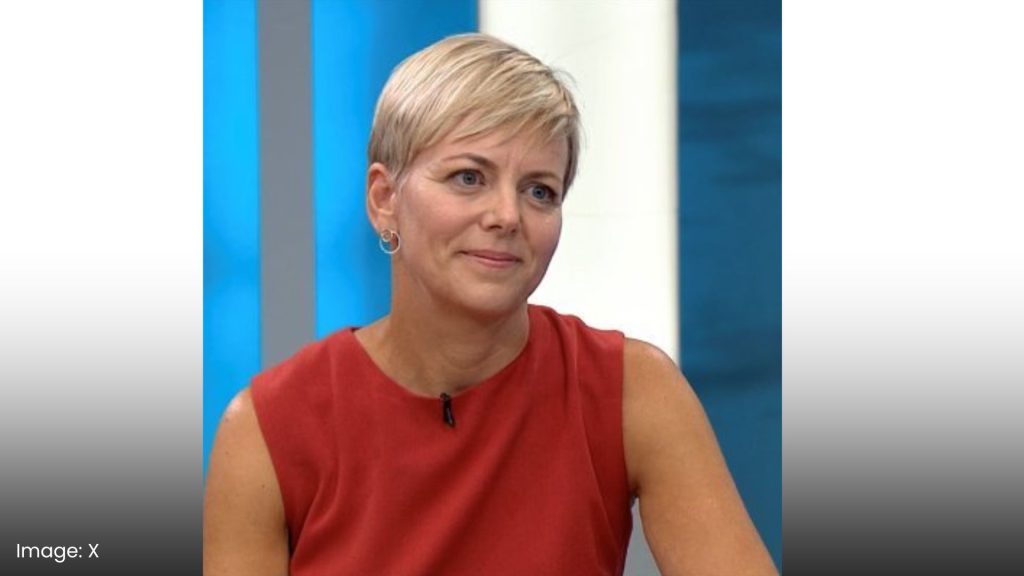
Virologist Angela Rasmussen said the award “has the appearance of blatant cronyism”, and critics asking why US taxpayer money was funding a trial rather than vaccines. Duke University’s Gavin Yamey estimated that “$1.6 million could pay for a decade’s worth of birth doses.” The BBC notes, however, that there is no evidence the trial was designed to justify a change in US policy.
Why Did the WHO Call It Unethical?
In a statement on 13 February 2026, the WHO said the design “exposes newborns to serious and potentially irreversible harm” and that “exploiting scarcity is not ethical”, as CIDRAP reported. Placebo or no-treatment trials, it said, are only acceptable when no proven intervention exists. Two days earlier, Tedros had told reporters: “It’s unethical to proceed with this study.”
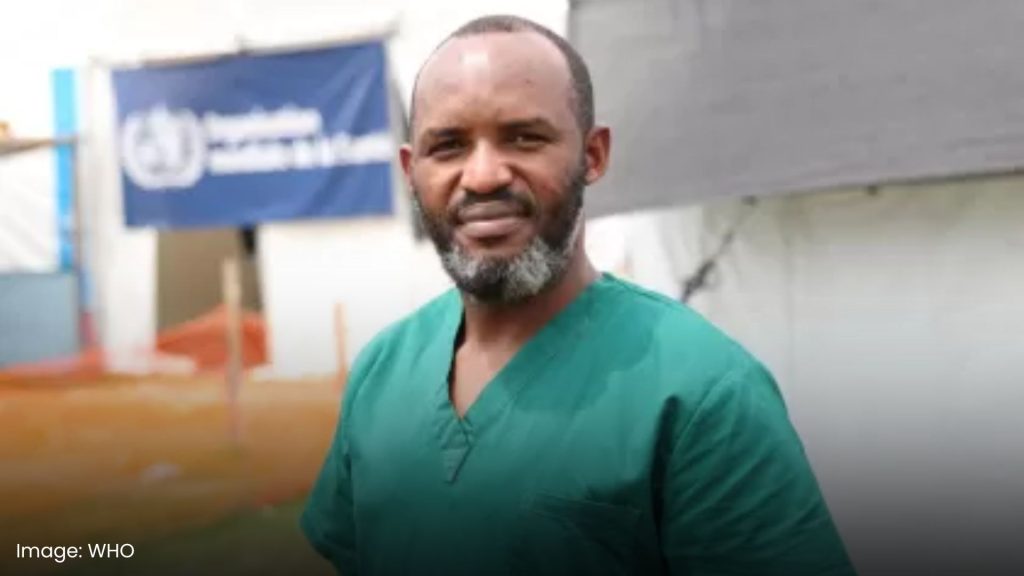
Others went further. Former Guinea-Bissau health minister Magda Robalo told Al Jazeera: “It is unethical to deny children an intervention that we know works.” Yamey said the trial “reeks of neocolonialism” and questioned why it was not being run in Denmark. Emory University’s Boghuma Kabisen Titanji put it most plainly: “Ethical standards do not become optional because the participants are African.”
How Did the Researchers Defend the Study?
The Bandim Health Project disputed the WHO’s interpretation. Stabell Benn told STAT: “No child in the study receives fewer vaccines than under current national policy,” adding that the study “does not question the vaccine’s effectiveness against hepatitis B infection, which is well established.” The US health department called it “a gold-standard, independent study.”
This is the heart of the dispute. The researchers measured the trial against the care Guinea-Bissau can currently provide. The WHO measured it against what medical evidence says every newborn needs. Critics also point to the group’s record: a December 2025 review in the journal Vaccine found “questionable research practices” in its past work.
Who Approved It? The Coup and the Contested Sign-Off
Stabell Benn said Guinea-Bissau’s health ministry approved the study on 5 November 2025, BioXconomy reported. That same month, a coup brought a transitional government to power, and officials later said it “had not been involved in the approval process.” In January 2026 the government suspended the trial and prohibited hepatitis B vaccine trials on children. In February, Foreign Minister Joao Bernardo Vieira told Reuters: “It’s not going to happen, period,” CIDRAP reported.
In October, reports emerged that a revised protocol had been approved. Health Minister Quinhin Nantote denied it: “We are outraged because even I, as the minister responsible for this sector, was not informed.” The University of Southern Denmark’s dean, Jakob Grauslund, later acknowledged that its own ethics approval “did not replace” the authorisation required from Guinea-Bissau, the BBC reported.
The Police Raid and the End of the Trial
On 19 October, Guinea-Bissau’s Judicial Police searched the Bandim Health Project’s facilities in Bissau and seized a batch of hepatitis B vaccines, the BBC reported. Police did not say whether the investigation related to the trial, and said the seizure did not mean the vaccines were unsafe.
Researcher Frederik Schaltz-Buchholzer then acknowledged that the trial “will not move forward in Guinea-Bissau – we were not given the necessary governmental approval.” The university’s dean said no babies had been enrolled and no vaccinations administered.
Do African Babies Matter Less?
The trial never began, but the question it raised has not gone away. A gap in healthcare access, in this case a birth dose Guinea-Bissau cannot yet give every newborn, was treated as a research opportunity rather than a gap to close. Critics drew comparisons to the Tuskegee study, Al Jazeera reported.
The controversy does not establish that the researchers intended to discriminate against African children, and their arguments deserve to be weighed on their merits. But it shows why national authority, transparent oversight and equal ethical standards matter most when research involves the world’s most vulnerable babies. Guinea-Bissau, a small West African state months after a coup, used that authority and refused.
The question remains for every international research partnership: should the protection owed to a newborn depend on where that child is born?
By Shizza Umer
Sources
1. World Health Organization | 13 February 2026 | Statement on the Planned Hepatitis B Birth Dose Vaccine Trial in Guinea-Bissau | https://www.who.int/news/item/13-02-2026-statement-on-the-planned-hepatitis-b-birth-dose-vaccine-trial-in-guinea-bissau
2. Bandim Health Project | 14 February 2026 | Response to WHO Statement | https://www.bandim.org/wp-content/uploads/2026/02/Response-to-WHO-Statement.pdf
3. STAT | 11 February 2026 | WHO director-general calls plans for U.S.-funded vaccine trial ‘unethical’ | https://www.statnews.com/2026/02/11/hepatitis-b-vaccine-trial-guinea-bissau-ethics-questioned/
4. CIDRAP | December 2025 | CDC awards $1.6 million for hepatitis B vaccine study by controversial Danish researchers | https://www.cidrap.umn.edu/childhood-vaccines/cdc-awards-16-million-hepatitis-b-vaccine-study-controversial-danish-researchers
5. CIDRAP | February 2026 | WHO criticizes CDC-funded vaccine study in Africa as unethical | https://www.cidrap.umn.edu/hepatitis/who-criticizes-cdc-funded-vaccine-study-africa-unethical
6. CIDRAP | February 2026 | Guinea-Bissau officials stop CDC-funded hepatitis B vaccine trial | https://www.cidrap.umn.edu/hepatitis/guinea-bissau-officials-stop-cdc-funded-hepatitis-b-vaccine-trial
7. Health Policy Watch | 7 January 2026 | Controversial US-Backed Vaccination Study To Begin In Guinea-Bissau | https://healthpolicy-watch.news/controversial-us-backed-vaccination-study-begins-in-guinea-bissau/
8. BioXconomy | 27 January 2026 | Babies as guinea pigs? A vaccine trial in Guinea-Bissau comes under intense scrutiny | https://www.bioxconomy.com/modalities/babies-as-guinea-pigs-a-vaccine-trial-in-guinea-bissau-comes-under-intense-scrutiny
9. The BMJ | 16 October 2026 | Hepatitis B Guinea-Bissau Trial: Researchers Behind Controversial Study Weigh In as Confusion Reigns Over Its Fate | https://www.bmj.com/content/395/bmj-2026-101164
10. The Guardian | 14 October 2026 | Guinea-Bissau Denies It Has Approved Controversial Vaccine Trial in Newborns | https://www.theguardian.com/world/2026/oct/14/guinea-bissau-vaccine-hepatitis-b-trial-denial
11. The Guardian | 21 October 2026 | Controversial US-Backed Vaccine Trial in African Newborns Halted | https://www.theguardian.com/world/2026/oct/21/us-vaccine-trial-african-newborns-hepatitis-b
12. BBC News | 5 November 2026 | Why a US-funded vaccine trial on babies was cancelled in Guinea-Bissau | https://www.bbc.com/news/articles/cm0rlxq08ejko
13. Al Jazeera | 5 November 2026 | Why Guinea-Bissau Halted a Controversial Hepatitis Vaccine Trial for Babies | https://www.aljazeera.com/news/2026/11/5/why-guinea-bissau-halted-a-controversial-hepatitis-vaccine-trial-for-babies