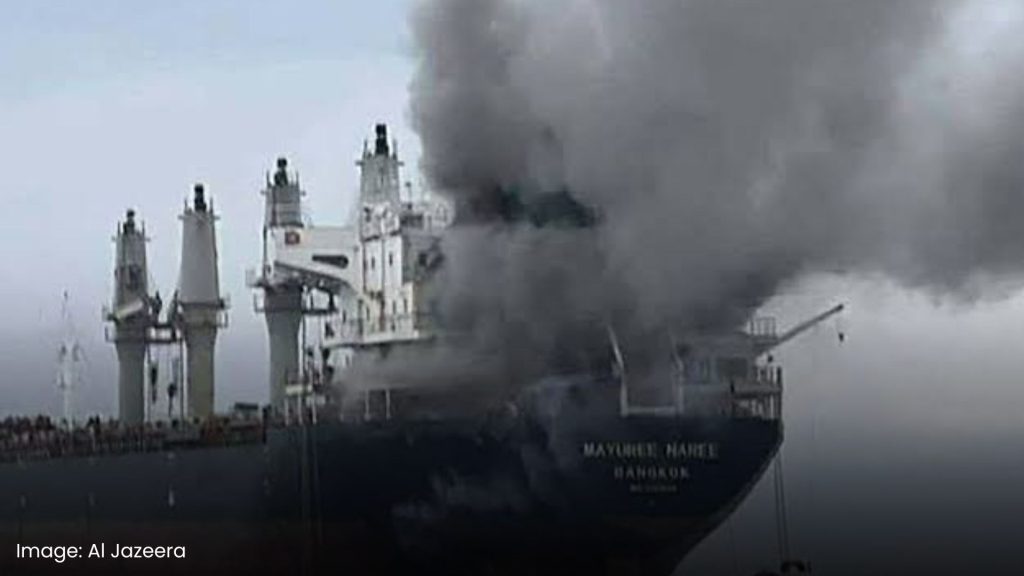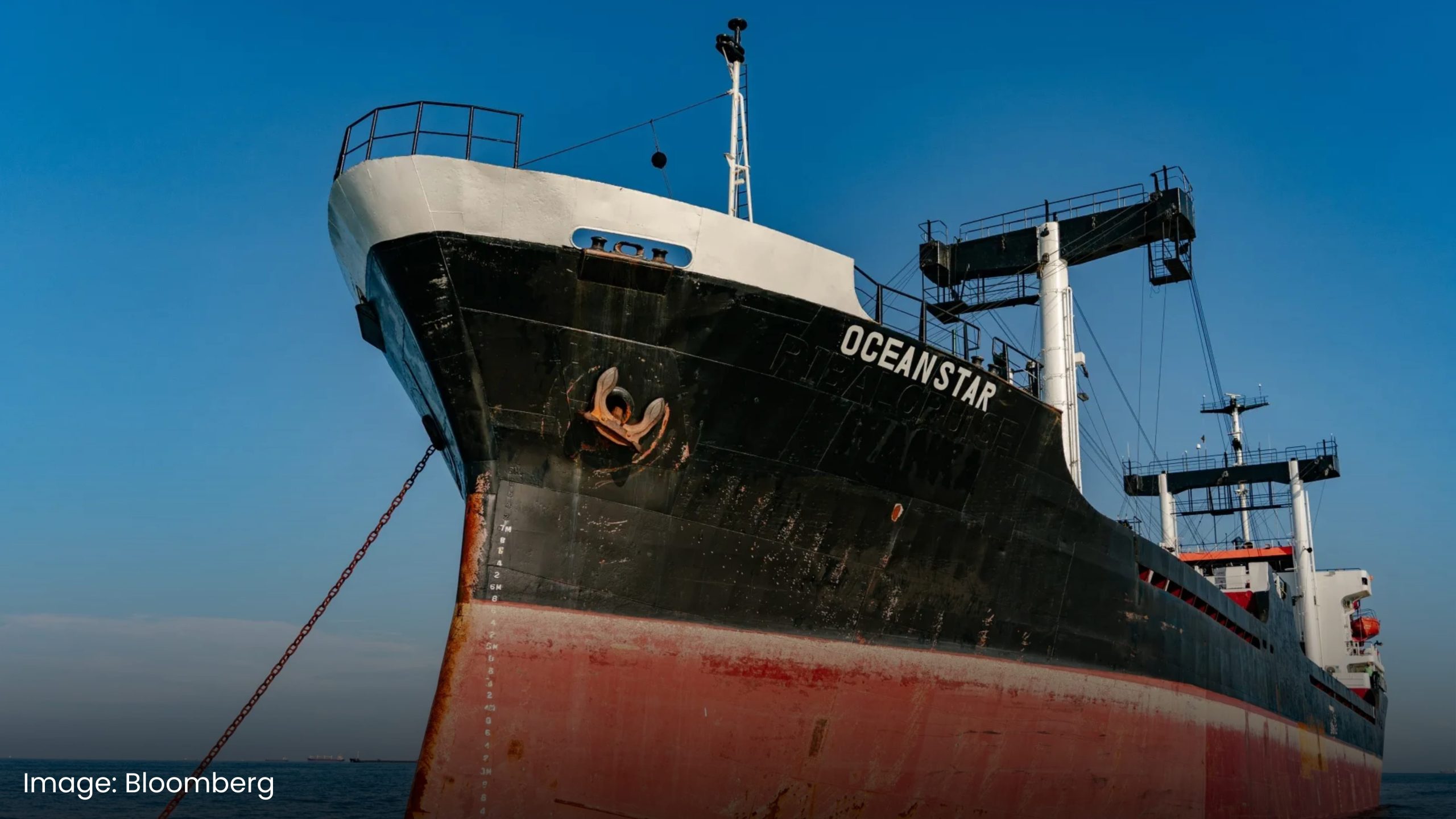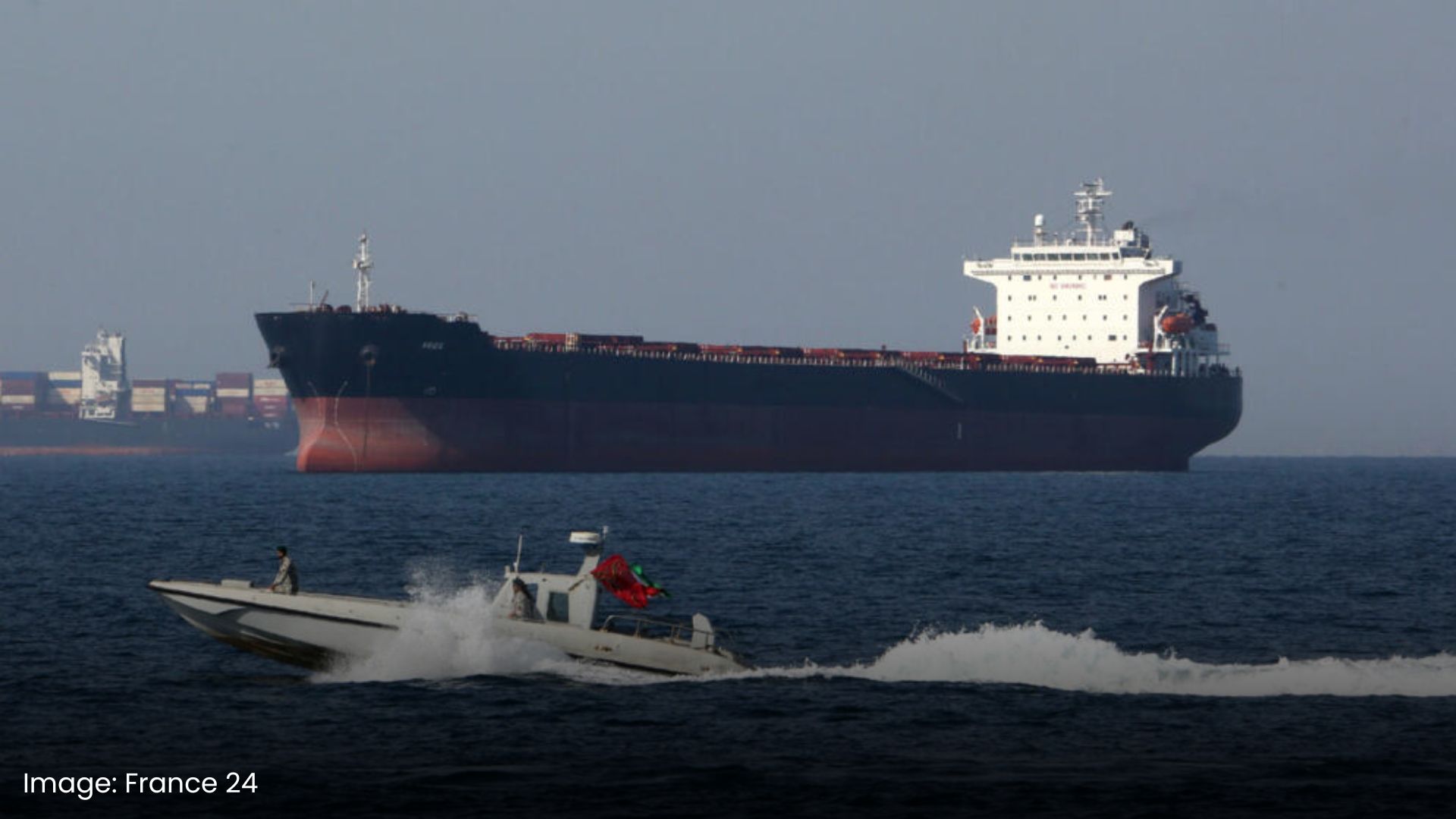
Iran’s Islamic Revolutionary Guard Corps (IRGC) said on Friday, November 6, that two oil tankers caught fire in the Strait of Hormuz after reportedly striking naval mines. The announcement marks another development in the growing maritime confrontation between Iran and the United States, as commercial shipping through the strategic waterway remains under pressure.
According to a statement carried by Iranian state media, the incidents involved two tankers attempting to navigate routes that Tehran considers unauthorized.
The IRGC claimed that one vessel was located east of the Strait of Hormuz, while the other was inside the waterway itself. Both allegedly struck naval mines while attempting to leave the strait. Iranian authorities further claimed that the vessels had deactivated their navigation and identification systems and were operating with US military support.
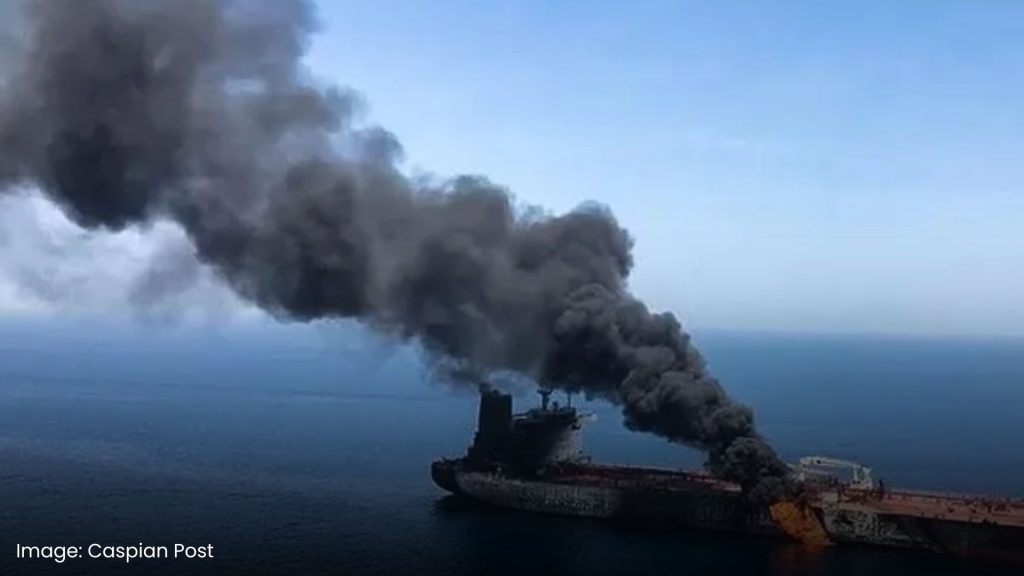
Following the reported mine strikes, both tankers caught fire and were forced to stop. However, the identities of the vessels, their flags and the circumstances surrounding the incidents have not been independently established.
A series of reported maritime incidents
The latest announcement follows another series of incidents reported by Iranian military authorities on Thursday, November 5. Iranian media initially reported that two oil tankers and a tugboat caught fire in separate incidents. The IRGC said one tanker struck a mine while attempting to cross a passage south of the strait. Another supertanker reportedly caught fire in the eastern section of the waterway, while a tugboat approaching to assist with firefighting operations also caught fire.
The Iranian army subsequently reported that three additional tankers had struck naval mines. These reports have raised concerns about the safety of commercial shipping in the region. However, maritime officials have not independently confirmed the reported incidents, making it difficult to establish the full number of affected vessels or the extent of the damage.
Why the Strait of Hormuz matters
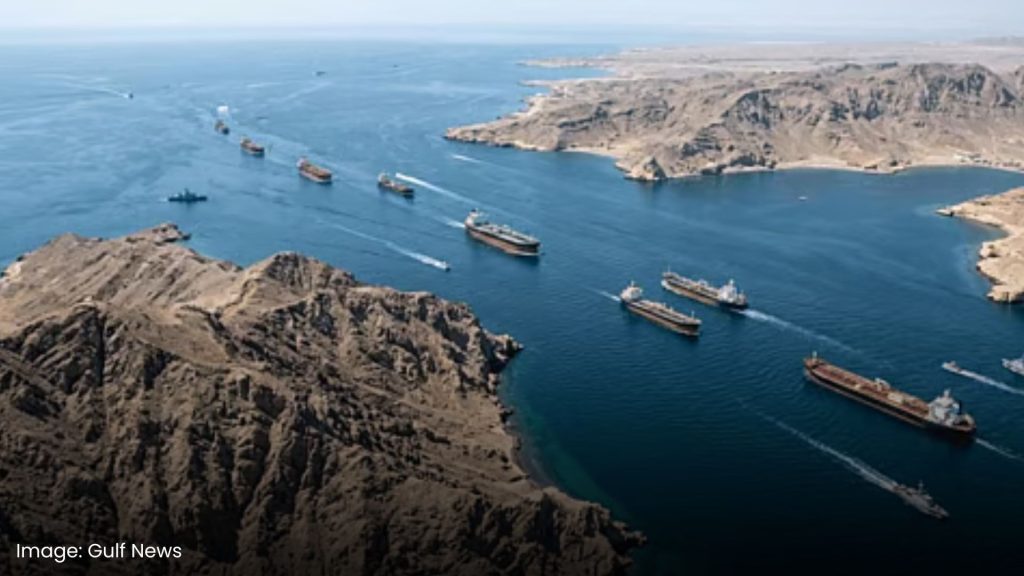
The Strait of Hormuz is a narrow maritime passage connecting the Persian Gulf with the Gulf of Oman and the Arabian Sea. It is one of the most important energy transportation routes in the world.
Under normal circumstances, approximately one-fifth of global oil consumption passes through the waterway. Major oil and gas exporters in the Gulf depend on it to transport energy supplies to international markets.
Any prolonged disruption can therefore affect energy security far beyond the Middle East. Restrictions on shipping, military confrontations and concerns about naval mines can discourage commercial vessels from using the route. They can also increase insurance premiums and transportation costs, creating additional pressure on international energy markets.
The wider US-Iran confrontation
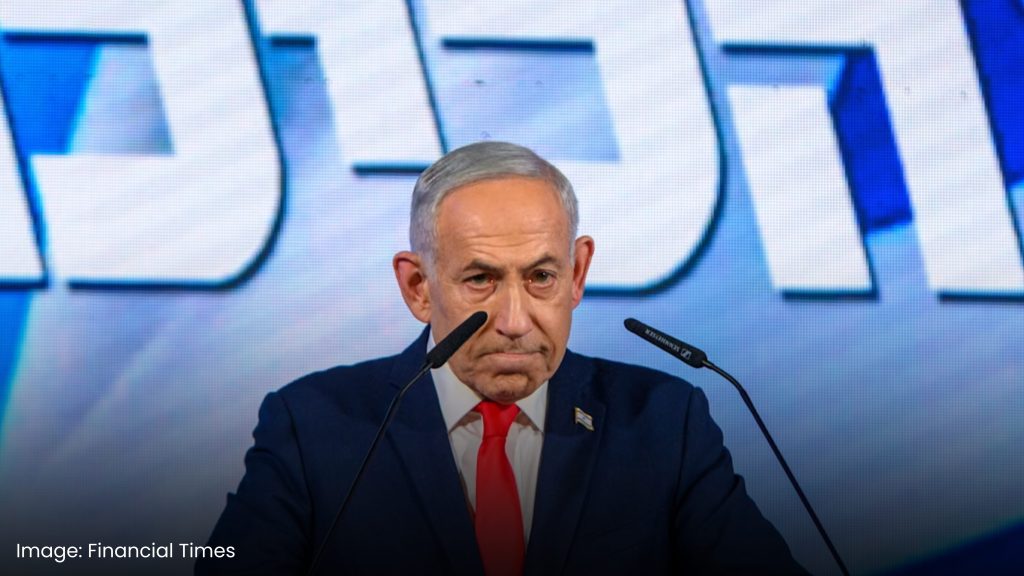
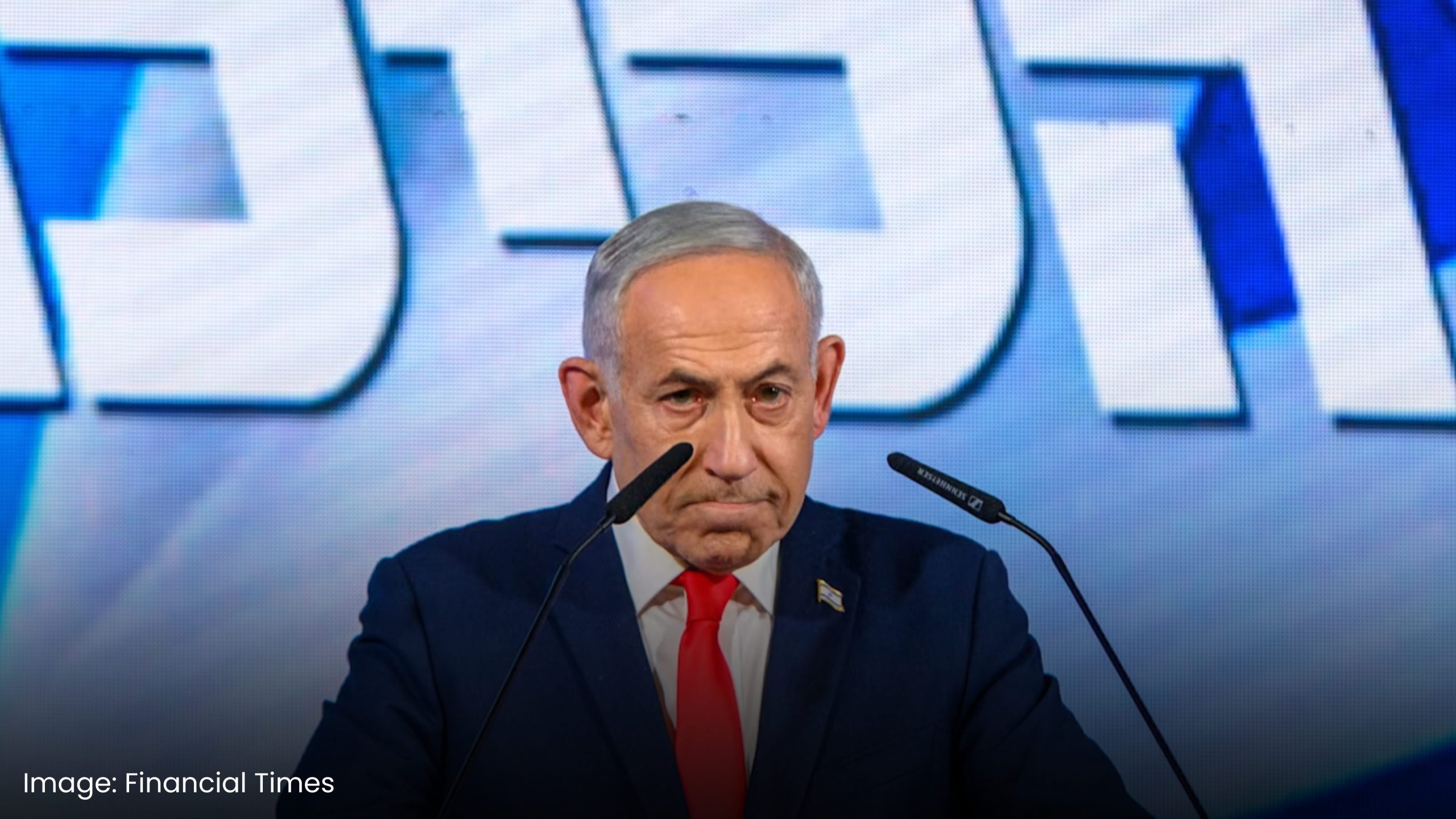
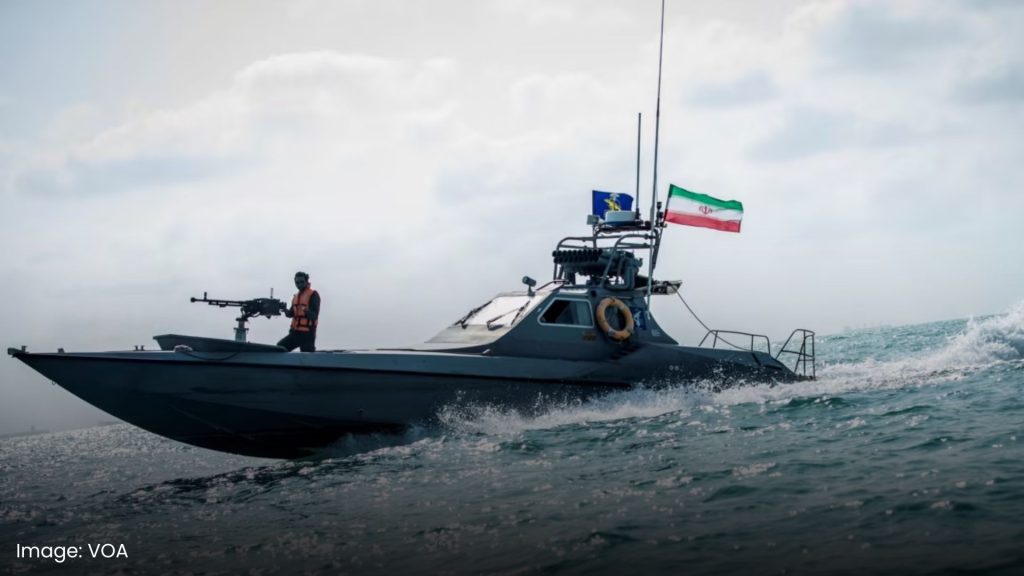
The incidents are taking place amid an ongoing confrontation between Washington and Tehran. Since the outbreak of the war on February 28, Iran has sought to restrict maritime traffic through the Strait of Hormuz. The United States has responded by imposing a blockade on Iranian ports and escorting tankers through the waterway.
The two sides also hold competing positions regarding the security of shipping routes. The IRGC claims that vessels using unauthorized passages risk striking naval mines, while US Central Command previously stated that all mines had been cleared from the waterway.
US Central Command also reported that it had helped Gulf countries export 1.5 billion barrels of oil through the strait since the summer. These developments demonstrate how maritime security has become another major front in the wider confrontation between the two countries.
A threat extending beyond the region
The growing uncertainty surrounding the Strait of Hormuz has implications for international trade and energy security. For countries dependent on Gulf energy supplies, prolonged instability could mean higher transportation costs, supply disruptions and greater pressure on domestic fuel markets.
The repeated reports of tanker fires and naval mine incidents also raise questions about the ability of commercial shipping companies to operate safely in the region. Although the latest claims have not been independently verified, the situation highlights the vulnerability of one of the world’s most important maritime chokepoints.
The central concern is whether the United States and Iran can prevent further escalation before disruptions in the Strait of Hormuz develop into a much wider international energy and shipping crisis.