For Yemen, hunger is not a new consequence of war. But the latest escalation is pushing an already devastated population into an even more precarious struggle for food, shelter and survival.
On October 2, the World Food Programme (WFP) warned that three out of four households in accessible government-controlled areas of Yemen were unable to meet their food needs. The figure has risen sharply in just weeks as renewed fight*ng has displaced tens of thousands of people and disrupted food supplies. Those areas are home to roughly 10 million people.
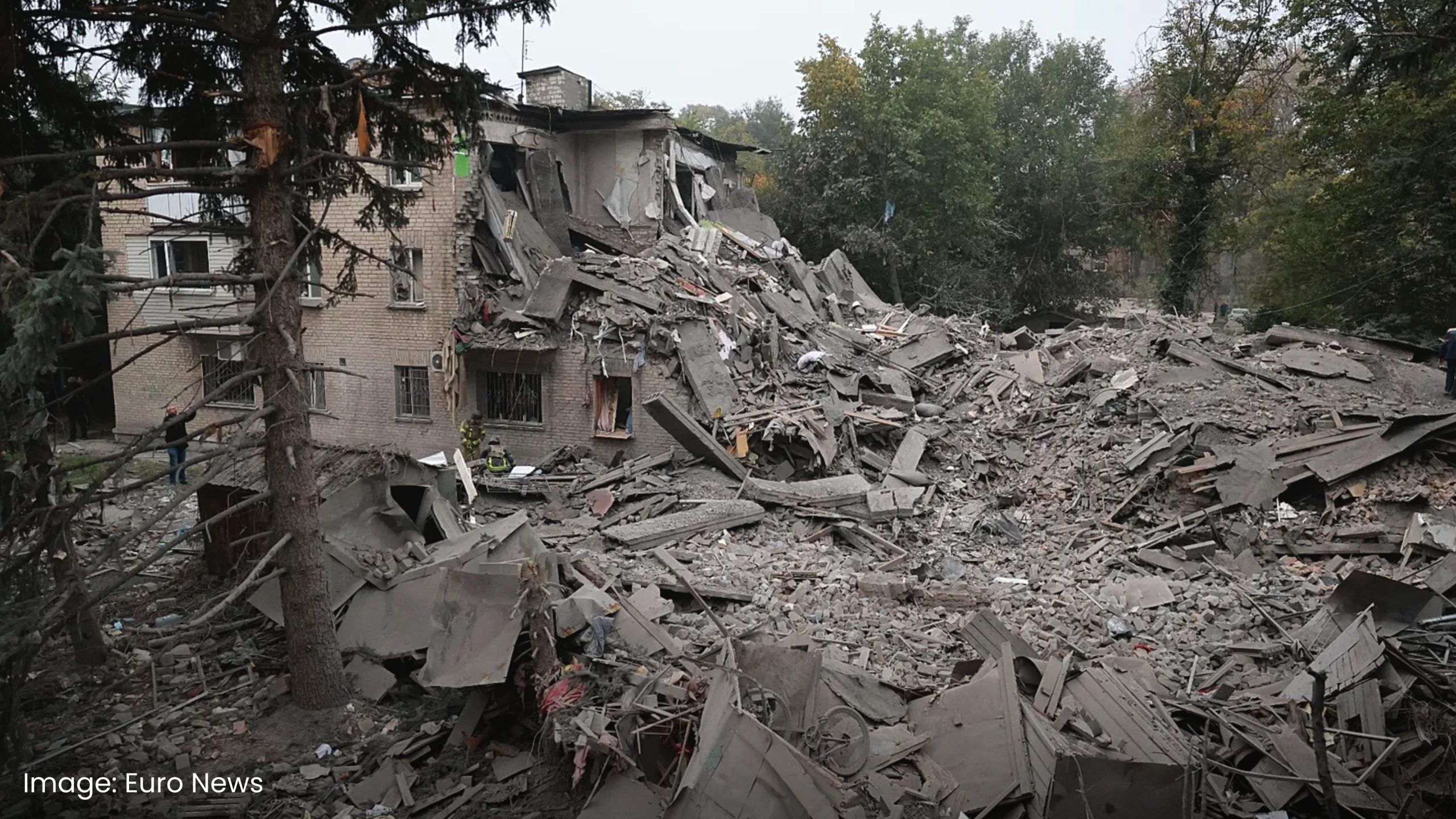
The warning comes after fighting intensified in early September, particularly around Taiz and Yemen’s western coast. The renewed conflict has displaced more than 145,000 people between September 3 and September 28, including an estimated 79,000 children, according to UNICEF.
For families already living through years of economic hardship, displacement can be devastating. Leaving home often means abandoning livestock, household possessions, employment and food stocks. Families may arrive in areas where they have no income and limited access to water, healthcare or food.
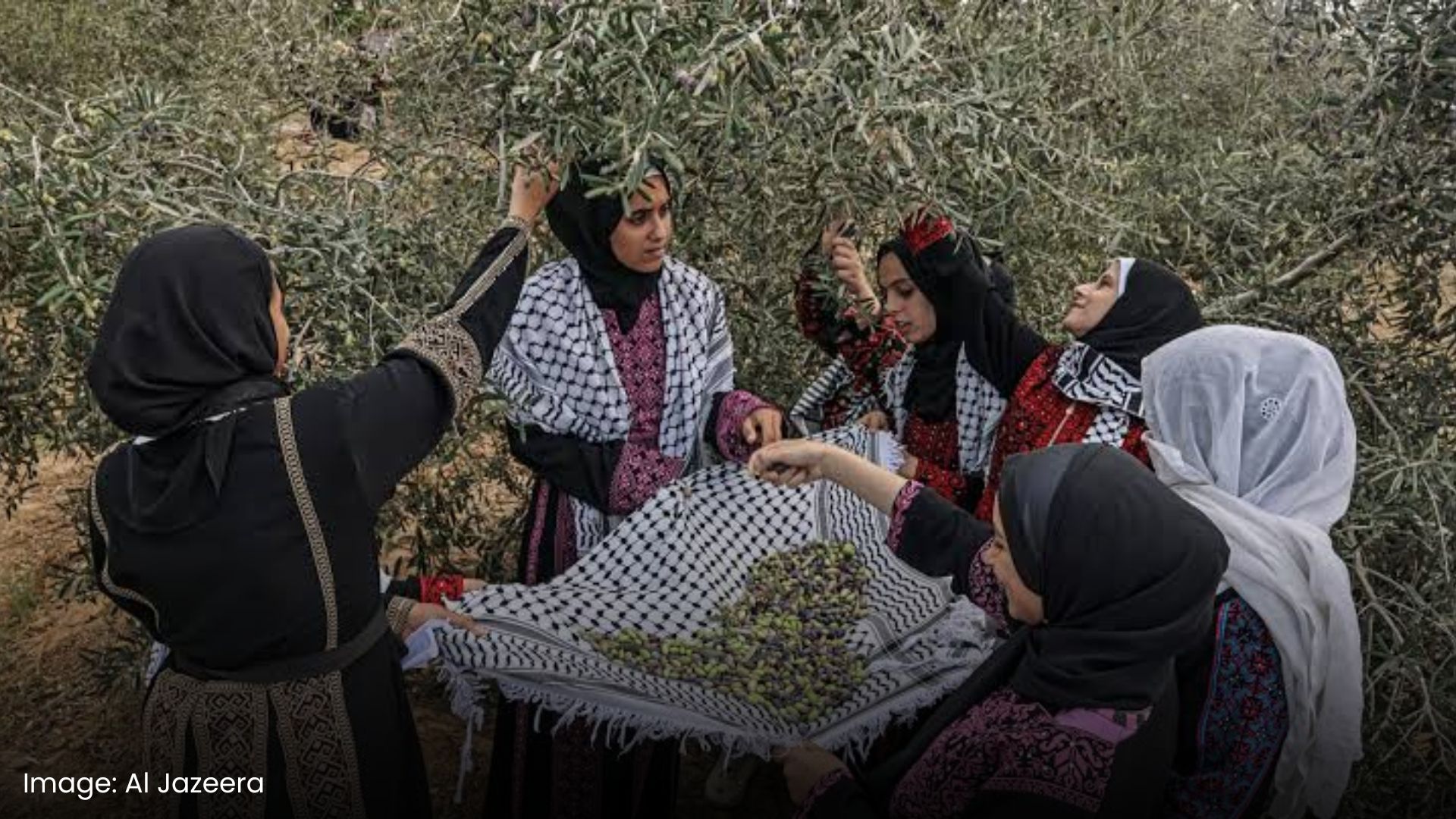
One of the clearest examples comes from Taiz. Al Jazeera reported on families who had fled with almost nothing. Some were living in overcrowded or damaged shelters, while others struggled to afford food and medicine. One displaced father described a reality in which his family had gone from three meals a day to two, and sometimes only one.


A crisis that existed before the latest fight*ng
The renewed conf*ict is therefore not creating Yemen’s hunger crisis from scratch. It is intensifying a crisis that was already severe.
WFP estimates that 18.3 million people are facing acute food insecurity in Yemen in 2026, while 2.2 million children under five are acutely malnourished. More than half a million children are experiencing severe acute malnutrition.
The latest fight*ng is dangerous because it att*cks the systems that allow people to survive even when food is available elsewhere.
Yemen imports around 90% of its food. Disruptions to roads, ports, markets and supply routes therefore have immediate consequences for household food security. When families are displaced, they also lose access to local livelihoods and become more dependent on humanitarian assistance.
The result is a vicious cycle. Conflict forces people from their homes. Displacement cuts them off from income. Loss of income reduces their ability to buy food. Poor nutrition makes children more vulnerable to disease. And inadequate healthcare makes recovery even more difficult.
Children are paying the highest price
UNICEF has repeatedly warned that children are at the sharpest end of the crisis.
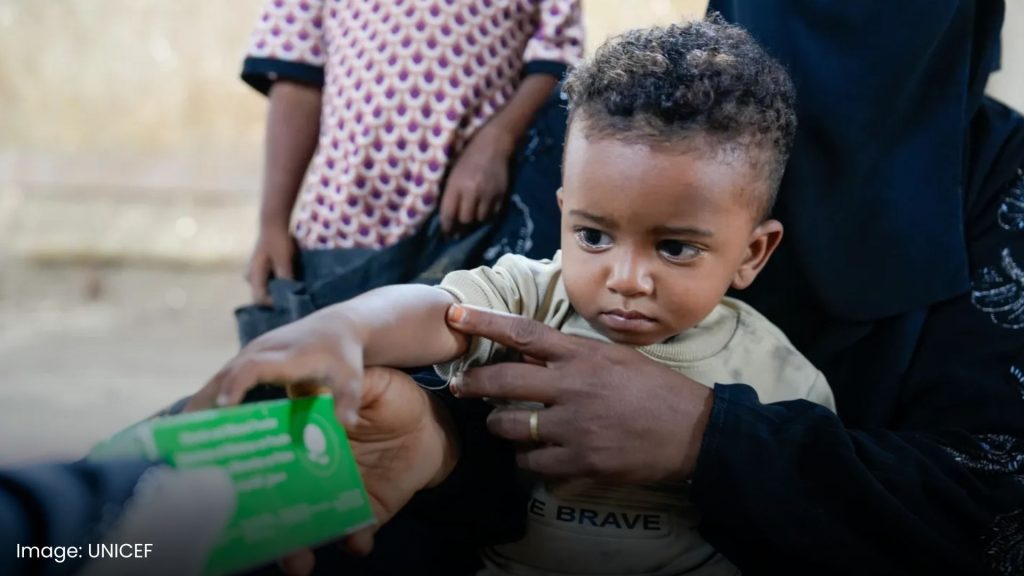
In September, UNICEF said that among nearly 2,900 children screened by its mobile nutrition teams in areas where humanitarian access was possible, more than one in four were acutely malnourished. More than 200 had severe acute malnutrition.
The latest fighting has also disrupted healthcare and education. UNICEF reported that 26 supported health facilities had experienced disruptions, while 243 schools had closed or suspended learning, affecting more than 137,000 students.
This creates consequences that extend beyond the immediate emergency. A child who becomes malnourished may face long-term physical and cognitive consequences. A child who leaves school because of displacement may lose months or years of education. A family that loses its livelihood may struggle to recover even after the fighting stops.
In this sense, humanitarian crises are not only about what people lose today. They can shape what they are able to rebuild tomorrow.
Aid is becoming harder to deliver
Humanitarian organisations are trying to respond, but the latest escalation is occurring amid severe funding and access constraints. WFP said in September that it had already assisted 45,000 people affected by the latest fight*ng and was preparing to support up to 1.5 million additional people if the conflict intensified. Yet the agency warned that critically low funding could limit its ability to respond.
Access is another problem. Fighting around Al-Mokha disrupted WFP operations and made dozens of food distribution points inaccessible. As front lines move, humanitarian agencies can struggle to reach precisely the communities whose needs are growing fastest.
That creates a dangerous gap between need and reach.
The more people are displaced, the more assistance is required. But the more intense the fight*ng becomes, the more difficult it is to deliver that assistance safely.
Hunger is also connected to Yemen’s geography
Yemen’s humanitarian crisis cannot be separated entirely from its strategic geography.
The country sits alongside the Red Sea and the Bab al-Mandeb Strait, one of the world’s major maritime chokepoints. Renewed fighting along Yemen’s western coast therefore has implications beyond the communities immediately affected.
The WFP has warned that disruptions to major maritime routes can contribute to higher food and fuel prices, with consequences that can extend beyond the conflict zone. For Yemen itself, however, the most immediate consequence is much simpler: when supply routes are disrupted in a country that imports most of its food, ordinary families pay the price.


The human cost behind the statistics
The most striking aspect of Yemen’s latest crisis is perhaps not the number of people displaced or the percentage of households going hungry. It is the way these crises intersect. A family can lose its home, then its livelihood, then its access to food. A child can lose a classroom, then access to healthcare, then adequate nutrition. A mother can flee a battlefield only to discover that the place she reaches cannot provide enough food or clean water.
UNICEF has documented families displaced multiple times during the latest fighting. Some have fled only to find themselves moving again as front lines shift.
This is why the current crisis should not be understood simply as another episode in Yemen’s long conflict. It is a warning about how quickly an already fragile humanitarian system can deteriorate when fighting returns to areas where people have almost no reserves left. Yemen’s families have survived years of war. But survival has limits.
When 74% of households in accessible government-controlled areas are struggling to meet their food needs, hunger is no longer a secondary consequence of the conflict. It has become one of its central human costs.
And for the families sitting down tonight with less food than they had yesterday, the question is not who controls the next piece of territory.
It is whether there will be enough for tomorrow.
Reference