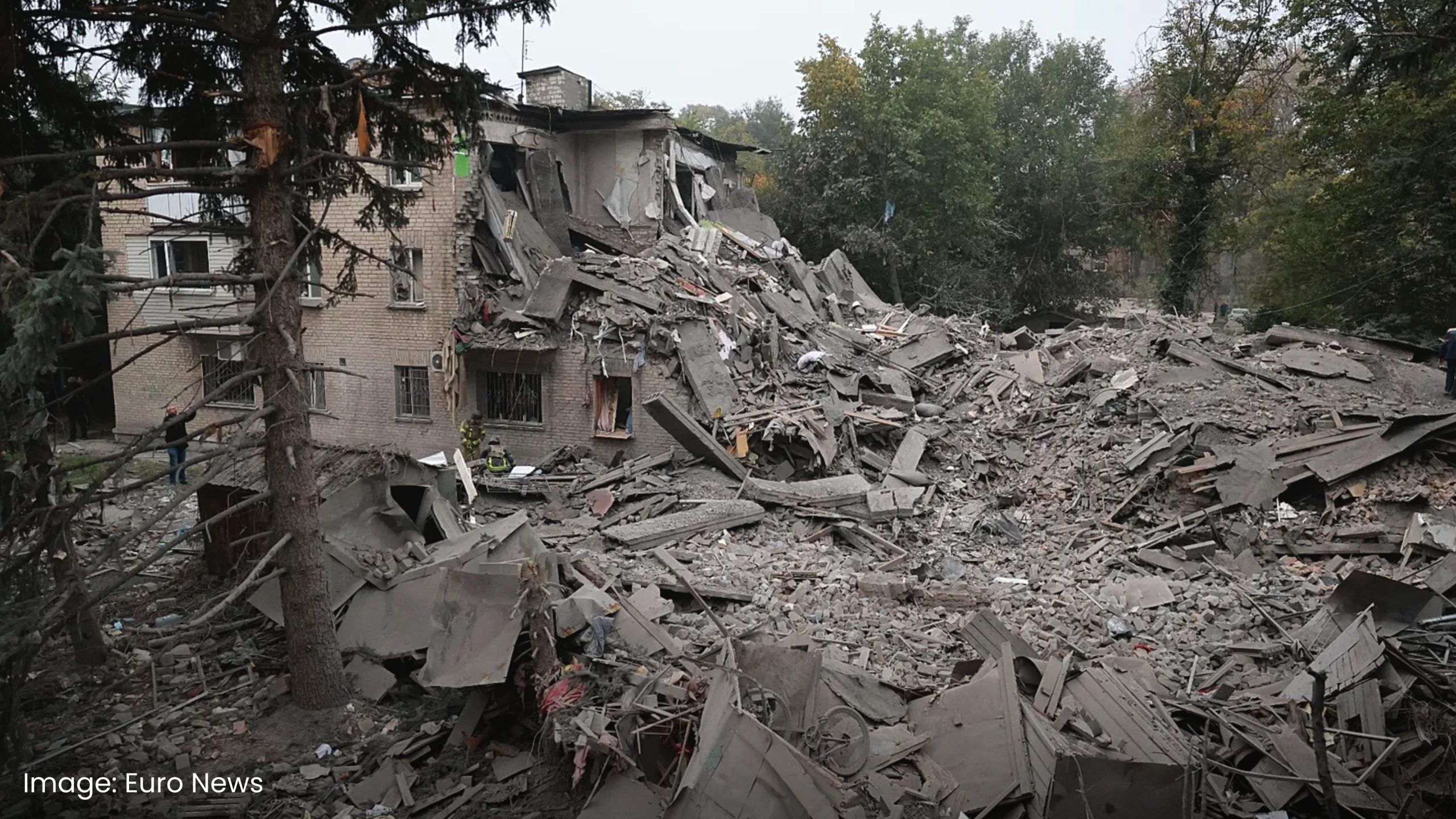
The recovery of the MT Honour 25 after more than five months in the hands of Somali pirates has brought an end to one of the region’s latest maritime hostage crises. But the recovery has also exposed a more serious development: Somali piracy is resurging after years of decline, and the latest episode has resulted in the first reported de*ths at the hands of Somali pirates in more than a decade.
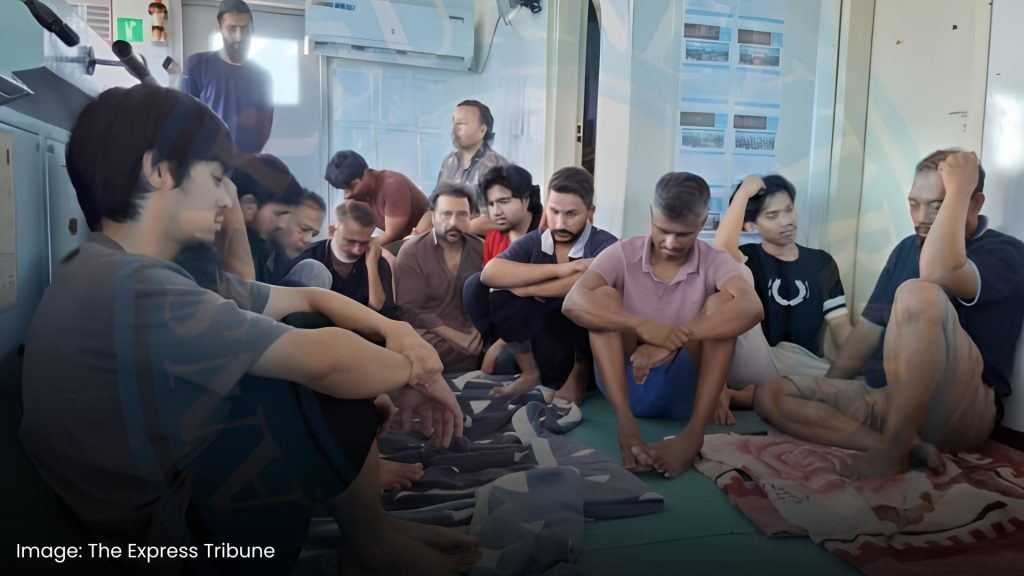
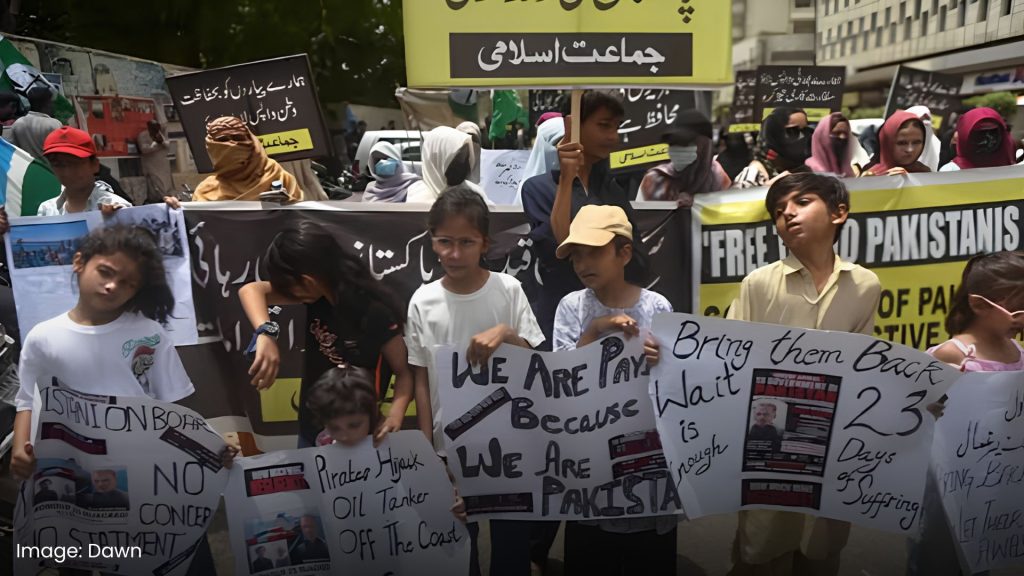
The Palau-flagged petroleum-products tanker was seized off the coast of Somalia on April 21. Reuters reports that it was carrying 17 crew members and approximately 18,500 barrels of oil products. Ten of the crew were Pakistani nationals, making the incident a major concern for Islamabad as well as for the families of the sailors. For more than five months, the crew remained under pirate control while their families called for intervention and assistance.
The eventual rescue was carried out by Puntland security forces, who freed the vessel and captured 16 suspected pirates. But according to Puntland authorities, the pirates k*lled five crew members before the rescue operation began. Three of the victims were Pakistani nationals, while the other two were from Myanmar and India. Four additional crew members were injured, including three Pakistanis and one Indian. The Foreign Office later confirmed the de*ths of the three Pakistani sailors and said Pakistani officials were assisting the surviving crew and arranging the repatriation of the deceased and injured.
The significance of the de*ths extends beyond this particular hijacking. During the previous major piracy wave, particularly between 2008 and 2014, Somali pirate att*cks disrupted one of the world’s busiest maritime corridors, generated hundreds of millions of dollars in ransom payments and imposed substantial costs on the global economy. International naval deployments, coordinated counter-piracy operations and improved security practices subsequently brought the threat down dramatically.

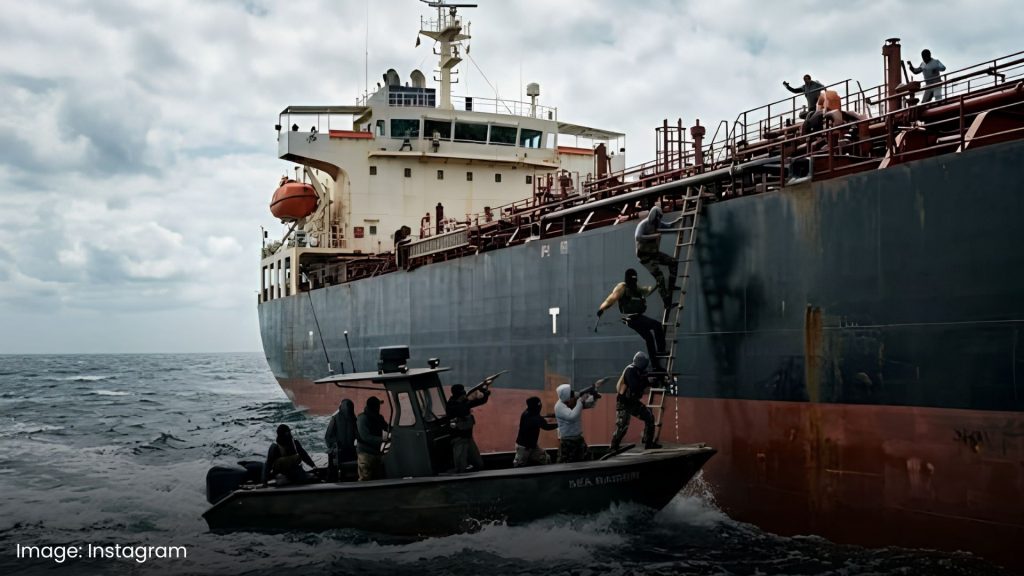
The current resurgence, however, is occurring in a very different regional environment. At least 15 att*cks have been reported off Somalia since April. Reuters notes that experts have linked part of this resurgence to the wider effects of the war involving Iran, including higher oil prices that can make tankers more attractive targets for pirates. This connection should be treated as an explanation offered by experts rather than as an established single cause of the resurgence.
The recent recovery operations also show that piracy has expanded beyond a single hijacked vessel. Puntland forces recently freed the Sibu 1, a tanker hijacked in August, while the MT Eureka, hijacked in May, was also recovered after pirates abandoned the vessel as security forces approached.
Yet recovering ships is only one part of the problem. During the Honour 25 operation, some suspected pirates were captured while others reportedly fled toward the coast and inland. This demonstrates the difficulty of dismantling piracy networks that operate from coastal areas rather than simply removing them from individual vessels. Continued att*cks would require sustained maritime surveillance, coastal security and international coordination rather than one-off rescue missions.
For Pakistan, the incident also highlights the international dimension of protecting its seafarers. The country had already raised the Honour 25 case with the International Maritime Organisation. The deaths of three Pakistani sailors now demonstrate the consequences of maritime insecurity for a country whose citizens work aboard commercial vessels far beyond its territorial waters.
Ultimately, the Honour 25 case shows that the return of Somali piracy is not simply a problem for shipowners or naval forces. It is a question of human security, international shipping and regional stability. The vessel has been recovered, but the conditions that allowed multiple ships to be hijacked remain. With at least 15 att*cks reported since April, the central challenge is no longer simply how to rescue a hijacked ship, it is how to prevent the next one from being seized in the first place.


References
https://www.dawn.com/news/2033759/3-pakistanis-among-5-crew-lost-during-operation-to-recover-ship-hijacked-by-somali-pirates-fo-confirms https://www.aljazeera.com/news/2026/9/30/somali-pirates-killed-five-crew-members-on-hijacked-tanker-officials-say